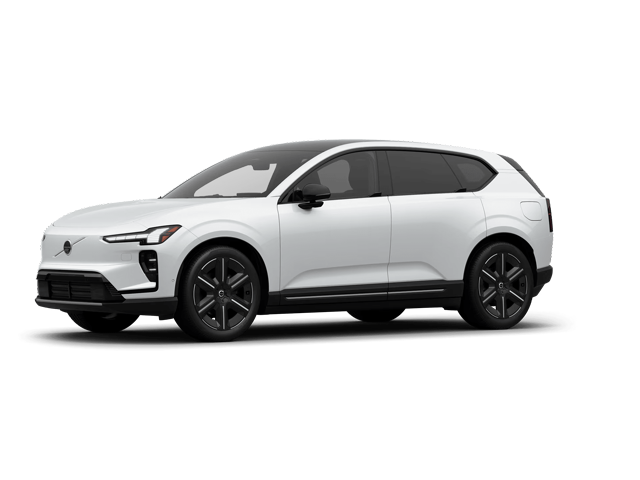
Photo for illustrative purposes only.
Find out moreVolvo Cars Mont-Royal

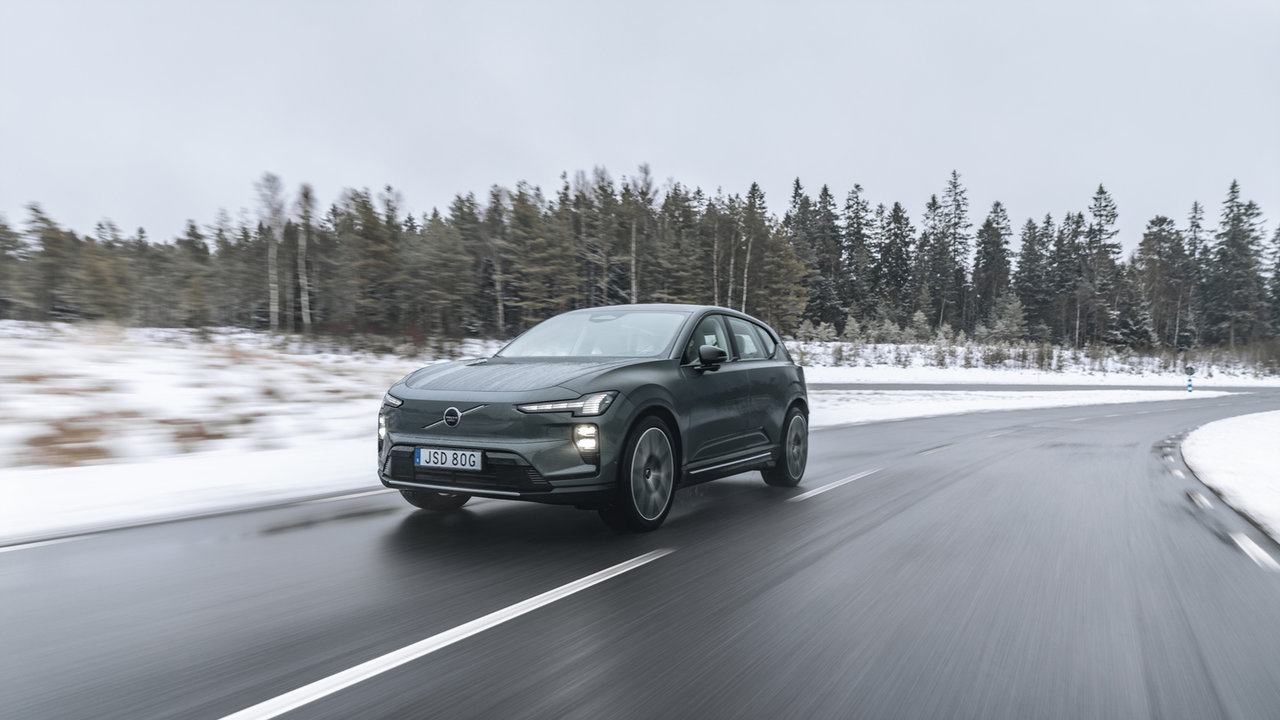
Quebec’s winter tire requirement takes effect on December 1, and every year the weeks leading up to that date fill service calendars across the province. Ordering your winter setup in September or October means you pick your appointment instead of taking whatever slot is left. It also means your Volvo is ready the first time the temperature drops, which usually happens well before the legal date.
There is a second reason to plan early that has little to do with the calendar. Many Volvo safety systems rely on tire grip to do their job. When grip drops, so does their ability to help you. A Volvo Winter Wheel Kit addresses both concerns with a wheel and tire package sized and specified for your exact model.
Volvo notes that all-season and summer tires begin to lose their effectiveness once temperatures fall below 7°C. The rubber compound stiffens, the tread blocks flex less and the contact patch that keeps you connected to the road shrinks. In Quebec, that threshold usually arrives in October, long before the first snowfall and well ahead of December 1.
Winter tires use softer compounds and deeper siping that stay pliable in the cold. That difference shows up in braking distance, cornering and traction from a stop, on cold dry pavement as much as on ice or packed snow. The law sets a date, but the physics of the tire sets an earlier one.
Volvo builds a long list of driver assistance and collision mitigation systems into its lineup. Nearly all of them act through the tires. A system can detect a hazard and apply the brakes, but the result still depends on how much traction the tire can deliver at that moment. Volvo Cars Mont-Royal lists the following features as grip dependent:
Volvo products, technology and services cannot guarantee safety or the avoidance of collisions, since road and weather conditions as well as driver alertness and competence play a part. Winter tires give those systems more to work with when conditions turn.
Each kit pairs a Volvo wheel with a winter tire chosen to match the model’s size, load rating and speed rating. Tire brands across the range include Michelin X-ICE Snow and X-ICE Snow SUV, Pirelli Scorpion Winter and Scorpion Winter 2, and Continental Viking Contact 7. Kits are sold as complete packages, and Volvo lists savings of 24% to 49% compared with buying the components separately, depending on the model and wheel size.
The table below shows the wheel sizes and tires offered by model.
|
Model |
Winter package wheel sizes |
Tire fitted |
|
S60 / V60 |
18-inch |
Michelin X-ICE Snow |
|
V60 Cross Country |
18-inch |
Michelin X-ICE Snow SUV |
|
V90 Cross Country |
19-inch |
Pirelli Scorpion Winter 2 |
|
XC40 |
18-inch |
Michelin X-ICE Snow SUV |
|
XC60 |
18, 19, 20 and 21-inch |
Michelin X-ICE Snow SUV (18 to 20-inch), Pirelli Scorpion Winter 2 (21-inch) |
|
XC90 |
20 and 21-inch |
Michelin X-ICE Snow SUV |
|
EC40 / EX40 |
19-inch |
Pirelli Scorpion Winter |
|
EX30 |
18 and 19-inch |
Michelin X-ICE Snow |
|
EX90 |
20 and 21-inch |
Pirelli Scorpion Winter 2 (20-inch), Continental Viking Contact 7 (21-inch) |
Volvo requires the 21-inch package for Polestar Engineered XC60 models. Centre caps are sold separately, and package pricing published by Volvo excludes taxes, environmental handling charges and installation.
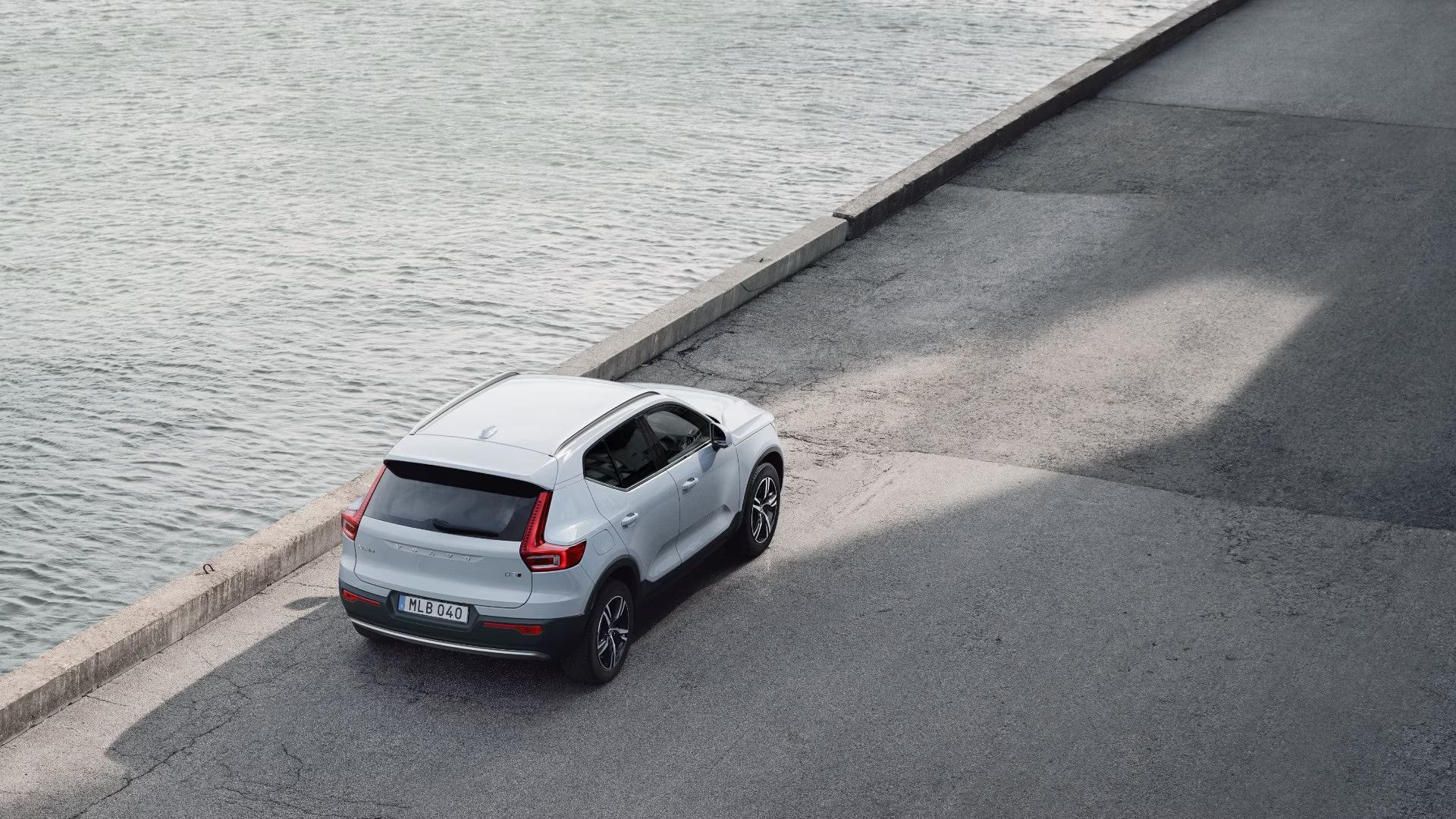
A winter tire is only as good as its match to the car. The EC40, EX40 and EX90 packages use a staggered setup with a wider tire at the rear than at the front, and each axle carries its own load and speed rating. Electric models such as the EX30 and EX90 also place more weight on the tire than a comparable gas model, so the load index printed on the sidewall has real consequences.
A Volvo Winter Wheel Kit removes the guesswork. The wheel offset clears the brakes, the tire size keeps the speedometer and driver assistance calibration accurate, and the load rating suits the model it was built for. Buying a generic wheel and tire online can save money up front and cost far more if the fitment is off.
Running winter tires on their own wheels means the seasonal changeover is a straight swap of complete assemblies rather than a mount-and-balance job twice a year. Your original wheels spend the salt season in storage instead of on the road, and the tires stay on the rims they were balanced on. Over several winters, that adds up to less wear on both sets and shorter appointments each spring and fall.
|
Question |
Answer |
|
When does Quebec require winter tires? |
December 1 |
|
When do all-season tires start losing grip? |
Below 7°C, according to Volvo |
|
Which Volvo models have a winter wheel package? |
S60, V60, V60 Cross Country, V90 Cross Country, XC40, XC60, XC90, EC40, EX40, EX30 and EX90 |
|
What wheel sizes are offered? |
18-inch to 21-inch, depending on model |
|
How much can a package save versus separate components? |
24% to 49%, depending on model and size |
|
Which tire brands are used? |
Michelin, Pirelli and Continental |
Booking in September gives the parts team time to confirm your model, wheel size and tire rating, and it gives you a service slot before the December 1 crowd. Reach out to the parts and service team at Volvo Cars Mont-Royal in Montreal to confirm the right winter wheel kit for your Volvo and set your changeover appointment.
Photo for illustrative purposes only.
Find out more
Inside The 2027 Volvo EX60’s Available Bowers & Wilkins Audio
A quiet cabin is only half the story in an electric SUV. What fills that quiet matters just as much, and on the 2027 Volvo EX60 Ultra, that’s where...
Read more
2026 Volvo XC90 vs 2026 Acura MDX: Which Three-Row SUV Puts Safety First?
Three-row SUVs carry a family’s most valuable cargo: kids buckled into booster seats, in-laws visiting for the weekend, gear piled in for a long...
Read more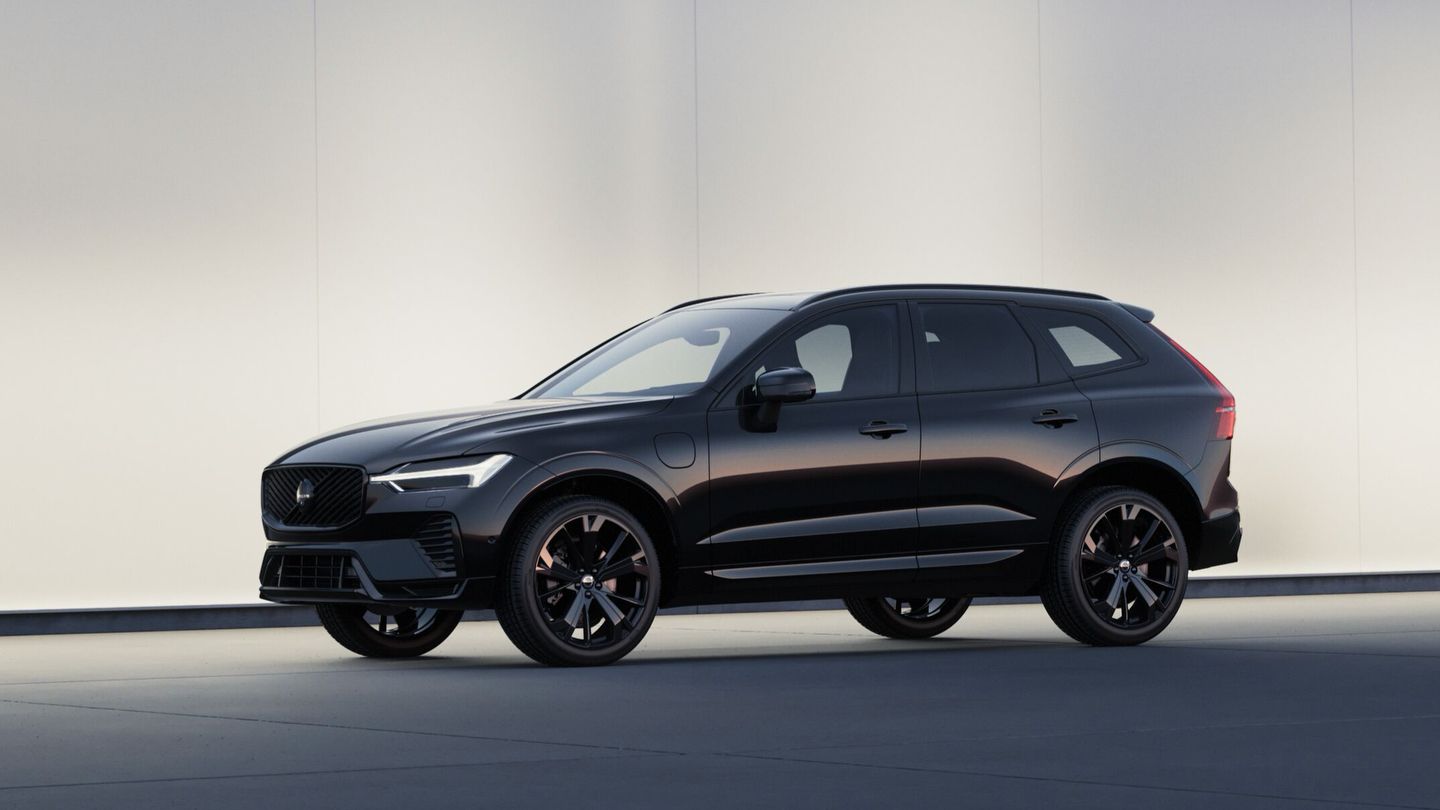
2026 Volvo XC60 vs 2026 BMW X3: Safety, Comfort, and Everyday Value Compared
Choosing between the 2026 Volvo XC60 and the 2026 BMW X3 usually comes down to how each SUV handles an ordinary week: school runs, highway merges,...
Read morePowered and developed by
